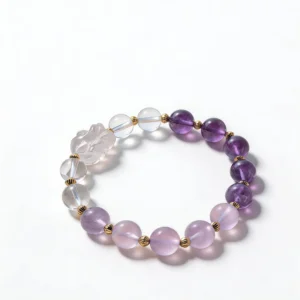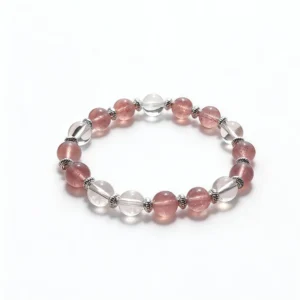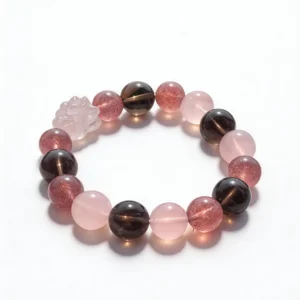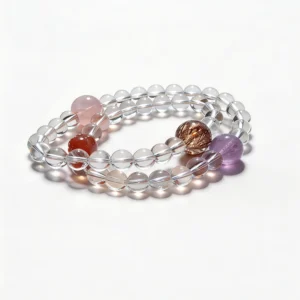


Lavender amethyst is worth buying when its pale violet appearance is genuinely preferred, the item is clearly described, the jewelry construction suits the wearer, and the price fits likely use. A softer color is a visual choice, not automatic evidence of rarity, superior quality, origin, treatment status, or a guaranteed effect.
Decide whether the pale color is the point
Lavender amethyst usually refers to light purple amethyst rather than a separate mineral species. Compare it with medium and deeper purple options under similar lighting. If the appeal disappears outside a bright product image, a more saturated piece may better match the intended wardrobe.
Understand the material category
GIA’s amethyst overview identifies amethyst as the purple variety of quartz and discusses its color. Use that reference to understand the category, but do not treat a visual match to a web page as authentication of an individual bead or finished piece.
Check color under more than one light
Review images in indirect daylight and neutral indoor light against a plain background. Pale stones can look gray, pink, or more saturated as white balance and surroundings change. Ask whether photographs show the exact item or representative inventory and what range of variation to expect.
Separate tone from workmanship
Judge shape, polish, symmetry, drill holes, facets, chips, abrasions, and setting security separately from color. Light amethyst can be well made or poorly finished. In a bracelet, also inspect bead matching, elastic or cord tension, spacers, charms, and hardware contact points.
Read disclosure before interpreting price
Use QZZEN’s Authenticity Promise for item-specific material and documentation questions. Ask what is known about treatment, whether images show the exact piece, and what components are included. Do not assume a high or low price proves origin, natural color, grade, or resale value.
Calculate value through repeat wear
Place the pale violet beside the colors worn most often. Lavender can sit quietly with gray, navy, cream, soft blue, or silver-tone metal, while low contrast may cause it to disappear against some light fabrics. Estimate realistic wears rather than buying for an undefined future occasion.
Confirm bracelet fit
Measure the wrist where the piece will sit and use Size Help. Bead diameter affects interior space and desk comfort. A visually appealing bracelet is poor value if it pinches, rotates excessively, or conflicts with work and handwashing routines.
Accept material-specific care
GIA’s amethyst care and cleaning guide recommends warm soapy water and describes relevant heat and treatment considerations. Mixed-material jewelry must also account for metal, adhesive, elastic, cord, and any other stones.
Keep meaning personal
A lavender color may mark a memory or chosen intention, but jewelry should not be presented as a treatment or as a guarantee of calm, protection, sleep, luck, relationships, or financial results.
Inspect before altering
Browse comparable current formats through the Shop. On arrival, compare color, dimensions, finish, assembly, and included components with the listing before regular wear, and review the returns policy before resizing or restringing.
Bottom line
Lavender amethyst is worth buying when the lighter tone remains appealing in realistic light, the construction and fit support frequent wear, and the item-level evidence and total cost make sense. Its value should come from the actual piece and its use, not an unsupported promise.