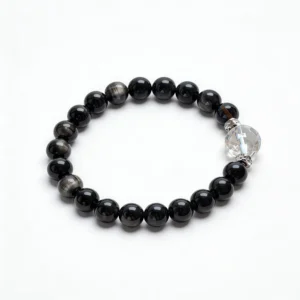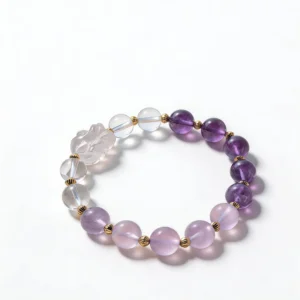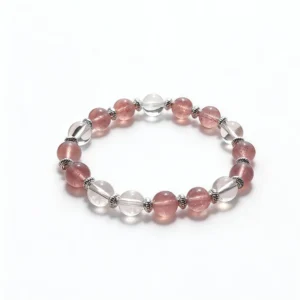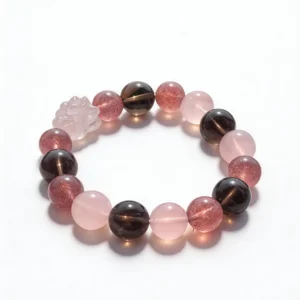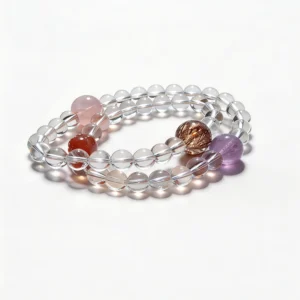


Well-made jade jewelry should be judged through construction and evidence that can be inspected: consistent components, finished surfaces, clean drilling, suitable hardware, secure assembly, and clear item information. Personal meaning may matter to the wearer, but claims about vibration or energy are not a workmanship test.
Start with construction, not an energy claim
Lay the piece on a soft, neutral surface. Check whether beads, links, or carved elements sit as intended and whether the design feels balanced. Look for abrupt size changes, cracked openings, exposed wire ends, frayed cord, loose knots, or hardware that binds under normal movement.
Read material wording precisely
GIA’s jade overview distinguishes jadeite from nephrite. The guide explaining why jade is not always green keeps color separate from material identity. A seller should state what is known for the particular item without asking color, weight, sound, temperature, or symbolism to serve as proof. QZZEN’s Authenticity Promise is the route for item-specific material and documentation questions.
Inspect matching without demanding uniformity
Natural jewelry components need not be identical. Compare diameter, shape, hole placement, polish, and general visual rhythm. Variation can be intentional, while a single rough bead, sharp rim, deep surface break, or visibly different drill path deserves closer inspection.
Check polish and contact surfaces
Rotate each component under steady light. Reflections should move smoothly across finished areas, with deliberate matte or carved recesses distinguished from scratches and unfinished patches. Edges and bead holes matter because they contact skin, cord, elastic, or neighboring components.
Use quality factors as observations
GIA’s jade quality-factor guide separates color, transparency, texture, cut, and size. These categories organize what you see, but they do not independently establish geographic origin, treatment status, grade, rarity, or monetary value.
Test fit without stressing the piece
Confirm the stated dimensions before ordering. On arrival, try the jewelry over a soft surface, noticing pinching, excessive rotation, tight clasps, or strain at drilled points. Do not stretch elastic beyond ordinary use or alter the assembly until the inspection is complete.
Preserve transaction evidence
Check shipping information for delivery planning. Photograph packaging and the piece on arrival, compare it with the listing, and follow the returns policy before resizing, restringing, or removing required packaging.
Bottom line
Good jade jewelry is understandable and competently assembled. Material wording, visible finish, drilling, hardware, fit, and documentation provide a stronger basis for judgment than an unverifiable promise about energy.