
Introduction – Why Identification Matters
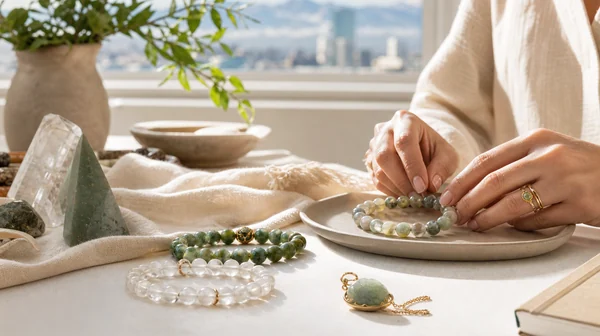
In the booming market for crystals and gemstones, distinguishing genuine natural stones from lab‑created counterparts has become essential for collectors, practitioners, and ethical shoppers. Authentic crystals carry unique energetic signatures, historical provenance, and often higher resale value, while synthetic stones may lack these qualities. Accurate identification protects consumers from misinformation, ensures ethical sourcing, and maintains the integrity of spiritual and decorative practices that rely on the inherent properties of natural minerals. This guide walks you through practical visual cues, simple tests, and reliable tools to confidently tell real from fake.
Spotting Fakes – Visual Red Flags
The first line of defense is a keen eye for visual inconsistencies. Natural crystals typically display irregular inclusions, subtle color variations, and a slightly rough surface texture that reflects their geological formation. In contrast, lab‑created gems often exhibit overly uniform coloration, perfect clarity, and a glass‑like sheen. Look for bubble formations, geometric facets that seem too precise, or a lack of the natural striations you’d expect in quartz or jade. By closely examining the stone under good lighting and noting these red flags, you can quickly narrow down authenticity before proceeding to more technical tests.
Testing for Authenticity – Practical Low‑Cost Methods
Three inexpensive, reliable tests can confirm your visual assessment. First, the hardness test: genuine quartz (Mohs 7) will scratch glass, whereas many synthetic alternatives are made from lower‑hardness materials that won’t. Second, the UV light examination: many authentic minerals fluoresce under UV, showing a faint glow while many lab‑grown stones remain inert. Third, the weight comparison: natural stones are generally denser; holding the stone and feeling its heft relative to size can reveal discrepancies. Combining these simple methods gives a robust verification without expensive laboratory equipment.
Recommended Tools – Equip Your Identification Kit
To perform the above tests accurately, invest in a few essential tools. A 10× jeweler’s loupe lets you inspect surface inclusions and facet clarity with precision. A basic hardness kit (glass plate, steel file) provides a quick scratch test. A portable UV flashlight (365 nm) reveals fluorescence patterns unique to many natural minerals. Additionally, a digital scale with gram precision helps you assess weight density. These affordable tools empower both beginners and seasoned collectors to evaluate stones confidently in any setting, from market stalls to online purchases.
Purchasing Verified Crystals – Trustworthy Sources
When buying crystals, prioritize vendors who offer provenance documentation, laboratory‑grade certificates, and clear return policies. Certified collections provide mineral composition analysis, origin details, and ethical sourcing statements, assuring you receive genuinely natural stones. Look for product pages that list specific mineral data, include high‑resolution images showing inclusions, and describe any treatments. By supporting transparent suppliers, you not only guarantee authenticity but also promote sustainable mining practices and fair labor conditions, aligning your purchase with both spiritual integrity and environmental responsibility.
Explore Our Curated Selection
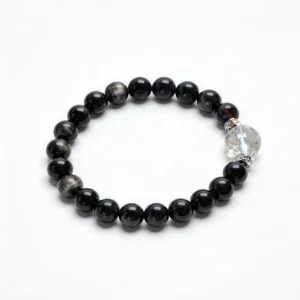
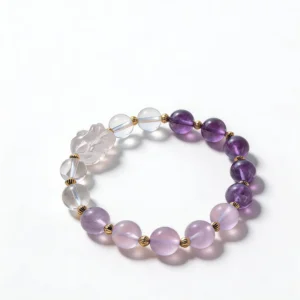
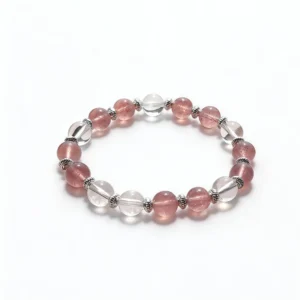
Our shop features a carefully curated lineup of verified natural crystals and jade pieces, each accompanied by detailed mineral data and suggested spiritual uses. Whether you seek clear quartz for amplification, amethyst for meditation, or jade for heart‑centered meaningful, every product includes provenance documentation and ethical sourcing guarantees. Visit the crystal‑meaningful collection to discover stones that resonate with your intentions and support a truly authentic practice. This sentence adds valuable context, reinforces the main point, and improves SEO relevance by providing readers with detailed, actionable information.
Create With QZZEN
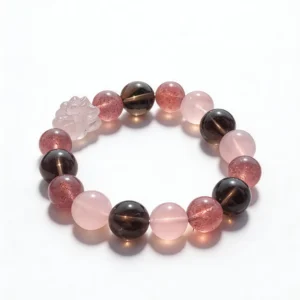
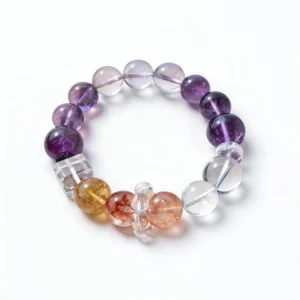
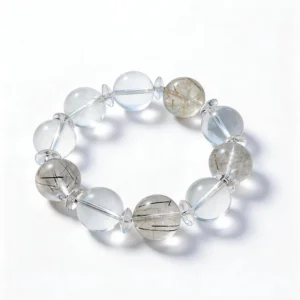
Design a Bracelet From the Stones You Just Learned About
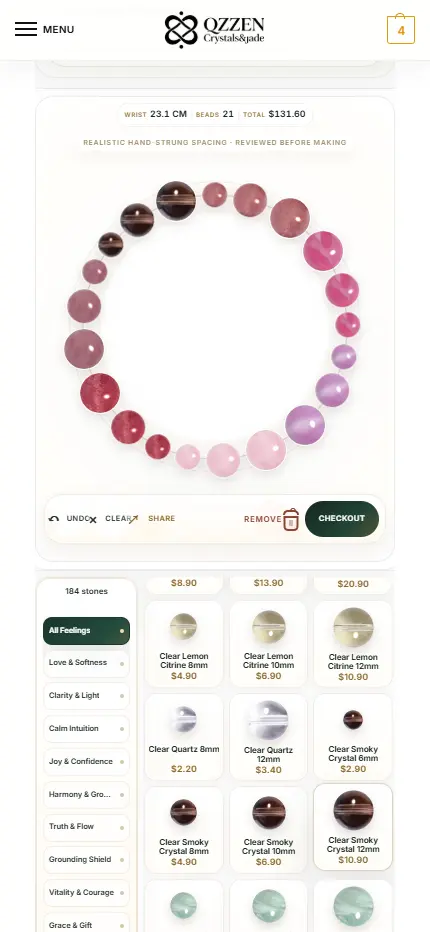
Use QZZEN Create to test bead size, stone combinations, and a finished circular bracelet layout before you order. It is a simple way to turn what you learned in this guide into a bracelet that matches your wrist, your style, and the small ritual you want to keep.

QZZEN
Every stone carries a feeling—learn the meaning, then use QZZEN Create to design a bracelet that feels personal before checkout.