
Crystals can carry personal, family, artistic, or spiritual meaning, but that meaning is not a measurable property of the mineral. A useful approach is to separate what can be observed about an object from the story, tradition, or association a person brings to it.
What a Spiritual Connection Can Mean
A spiritual connection may describe reflection, remembrance, cultural participation, prayer, or another personal practice. The object can provide a visible point of reference, while the interpretation comes from the person or community using it.
There is no single crystal vocabulary shared by every culture or belief system. The same material may be understood differently across places, periods, families, and modern commercial sources. Specific traditions should be named accurately rather than blended into a universal claim.
Separate Material Facts From Interpretation
Material facts include a stated mineral name, color, translucency, inclusions, dimensions, finish, setting, stringing, and known processing. These details can be compared through photographs, seller information, and, when appropriate, qualified identification.
Interpretations include what a color, shape, or stone represents to an individual. They can be sincere and important without proving that the object changes the body, controls events, or produces the same experience for everyone.
Start With a Traceable Story
Meaning becomes clearer when it is connected to a specific source. A stone might mark a trip, a gift, a family date, a design choice, or participation in a named tradition. Record what is known and leave uncertain details unassigned.
- Identify the object using the most accurate material wording available.
- Write down where and when it was obtained.
- Note who assigned meaning to it and in what context.
- Separate documented information from later interpretation.
- Update the record if better identification or provenance becomes available.
This short record is more useful than repeating a broad claim with no identifiable source. It also helps future owners understand which details are documented and which are personal.
Use Symbols With Context
Carvings, colors, knots, numbers, and arrangement patterns may have specific meanings. Before describing one, check a source connected to the relevant community, maker, or period. Similar-looking symbols are not always interchangeable.
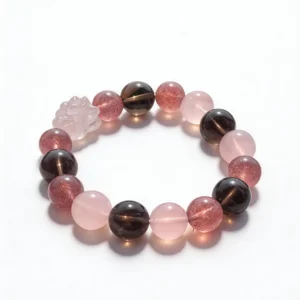
When context is uncertain, describe what is visible instead of assigning an origin. Phrases such as “carved circular motif” or “three-bead arrangement” communicate design without presenting a guess as history.
Create a Personal Practice Without Promises
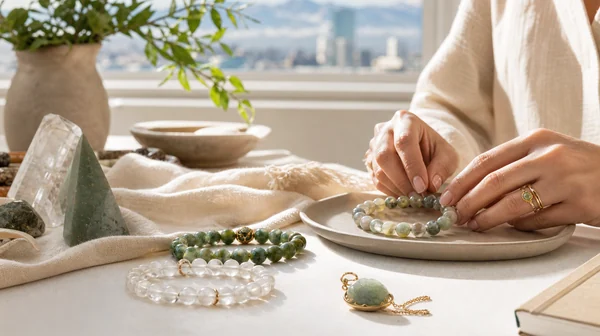
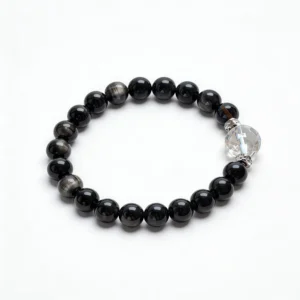
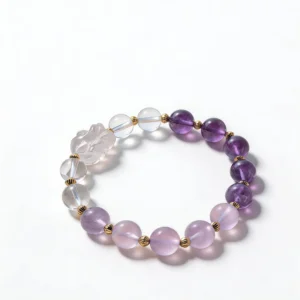
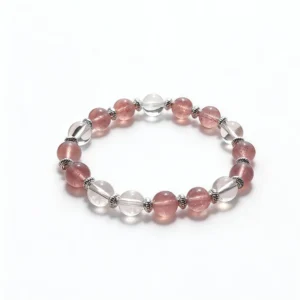
An object can be included in a personal practice as a marker of time, place, or intention. For example, a bracelet may commemorate an anniversary, or a display stone may sit beside a written reflection. The value lies in the chosen association and repeated use, not in an unverified force attributed to the material.
Keep the action specific and voluntary. If circumstances change, the meaning can change too. A personally significant object does not replace professional advice, practical support, or decisions based on evidence.
Choose and Give Crystals Thoughtfully
For a gift, begin with what is known about the recipient: a preferred color, jewelry scale, metal tone, shape, or shared memory. Explain why you selected the object without predicting how it will affect the recipient.
- Confirm wrist size or display dimensions before ordering.
- Use the seller’s stated material name without adding certainty.
- Ask whether photographs show the exact item or representative variation.
- Include a short note about the personal connection.
- Allow the recipient to accept, change, or decline the interpretation.
Evaluate Seller and Source Claims
Words such as authentic, certified, rare, ancient, or traditional need supporting detail. Useful questions include who identified the material, what a document verifies, whether it applies to the exact item, and how a claimed origin was established.
Color, price, a glass-scratch demonstration, or a handheld light check cannot establish every aspect of identity, treatment, or provenance. Some tests can damage an item or produce ambiguous results. Seek appropriate specialist testing when the answer materially affects a purchase.
Care for the Object and Its Record
Cleaning methods should follow the specific material and construction. Salt water, prolonged soaking, heat, chemicals, and strong light can damage some minerals, coatings, metals, cords, or adhesives. Use the least aggressive suitable method and keep seller or maker instructions with the item.
Store written provenance, receipts, and identification documents separately from the object. Photograph distinctive features and any marks so the record can be connected to the correct piece later.
Design Around a Personal Reference
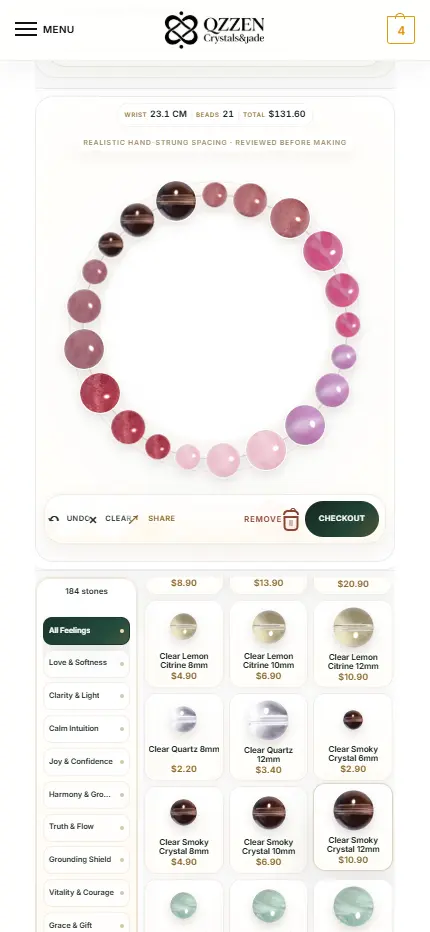
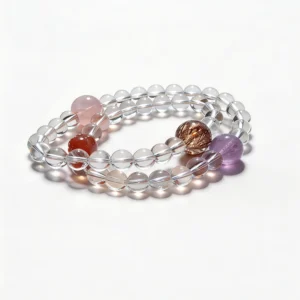
Explore the QZZEN crystal bracelet collection, visit the Crystal & Jade Guide, or use QZZEN Create to compare materials, bead scale, and arrangement before checkout.
Create With QZZEN
Build a Bracelet Around Your Own Story
Compare stone colors, bead sizes, and spacing for a design connected to a person, date, place, or memory.