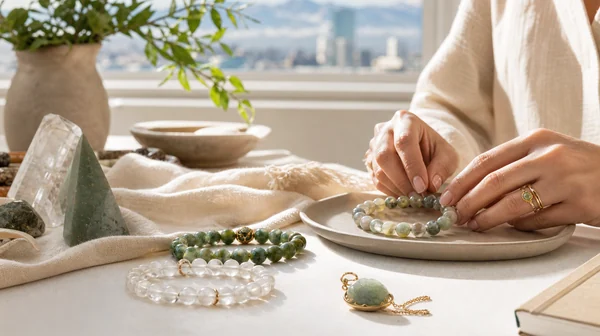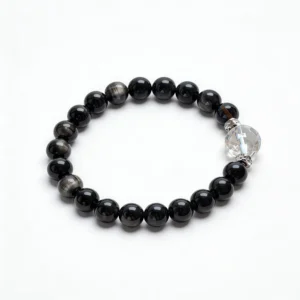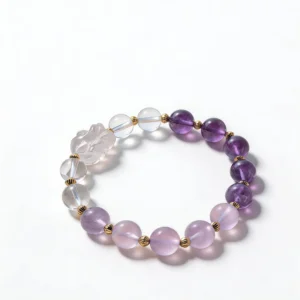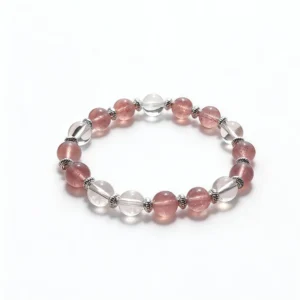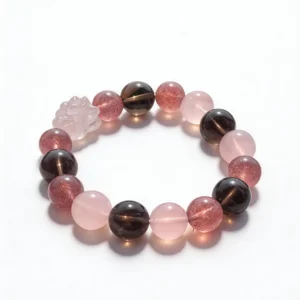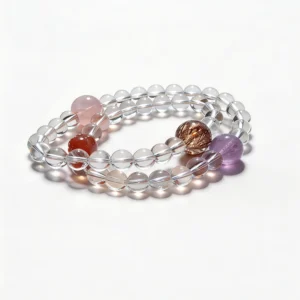


For a U.S. buyer, choosing jade jewelry is less about following a headline and more about matching material information, format, scale, and return terms to everyday use. This guide provides a practical framework for comparing bracelets, pendants, carved pieces, and mixed-stone designs without relying on popularity or wellness claims.
Start with the jewelry format
A bracelet is visible throughout the day and needs accurate wrist sizing. A pendant can be easier to fit but depends on chain length, bail construction, and carving thickness. Small carved pieces suit buyers who want a specific motif, while round beads create a simpler rhythm that can be worn alone or stacked. Choose the format that fits the person’s existing jewelry habits before focusing on color.
Compare stated material and treatment information
The word jade can refer to different materials, including jadeite and nephrite. A useful listing should state the material it is selling and disclose known treatment or composite construction rather than asking a color name to carry the whole description. The GIA jade overview explains the principal jade varieties and why identification requires more than surface appearance.
Use scale to judge daily comfort
Smaller beads tend to sit more quietly beside a watch or keyboard, while larger beads create more visual and physical presence. Measure the wrist at the intended wearing point and compare it with the QZZEN size guide. For pendants, check both pendant dimensions and chain length. Product photos should be supported by measurements so the item does not arrive much smaller or larger than expected.
Read color as a wardrobe choice
Pale green, white, cream, and softly mottled jade can work with light neutrals, denim, and relaxed layers. Deeper green or dark carved pieces stand out more clearly against black, navy, and tailored clothing. Natural variation should be expected. Look for photos of the actual design in more than one angle and avoid assuming that every bead or carved surface will be perfectly uniform.
Check construction and seller clarity
Inspect bead holes, polish, elastic or cord, clasps, pendant bails, and carved edges. Confirm whether images show the exact item or a representative example, and read the return conditions before purchasing a gift. QZZEN’s Authenticity Promise describes the disclosure approach to compare with individual product listings. Material identity, origin, treatment, and certification should never be inferred when they are not stated.
Plan for care
Store jade separately from harder jewelry, keep it away from harsh cleaners and perfume, and wipe it with a soft cloth after wear. The GIA jade care guidance recommends gentle handling and cleaning. Elastic, clasps, and cords should be checked periodically because the wearable construction can fail even when the stone remains sound.
Compare a custom layout
Use QZZEN Create to compare bead scale, color balance, and a finished circular design before checkout. A custom preview can help you decide whether a jade-led bracelet feels understated, formal, or too visually heavy, but it does not replace the material information in the listing.
Bottom line
A strong jade purchase for a U.S. buyer combines clear material language, suitable size, comfortable construction, useful photographs, care expectations, and a workable return path. Select the piece for how it will be worn rather than because a trend label suggests urgency.