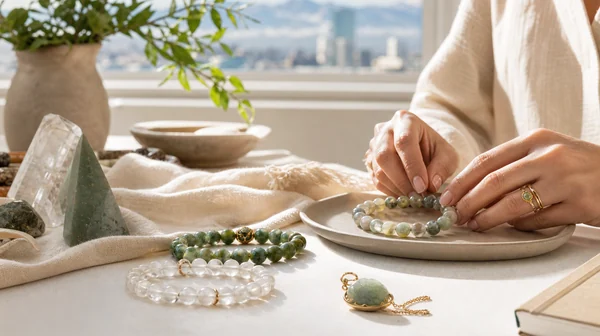

Jade has a different rhythm from trend jewelry. It is quieter, more tactile, and often chosen because the piece feels personal before it feels decorative. For U.S. shoppers, is jade real usually means balancing three questions at once: does the stone look and feel authentic, does the design fit real daily outfits, and does the symbolism match the reason you want to wear it? QZZEN approaches jade as jewelry first: wearable, gift-ready, and grounded in material details rather than dramatic claims.
This guide looks at real jade value, red flags, and purchase confidence. The goal is not to turn jade into a promise or a shortcut. It is to help you read color, texture, carving, comfort, and context with more confidence. When a jade bracelet or pendant works well, it gives you a small object you can actually keep close: on a desk, beside a nightstand, in a travel pouch, or on your wrist during an ordinary workday.
What Is Your Jade Real and Worth Buying? Means for Modern Jade Buyers
Meaning matters because jade is rarely bought as a purely random accessory. In many collections, it stands for steadiness, protection, renewal, good fortune, family memory, or a calmer daily pace. Those ideas should stay symbolic and personal. Jade is not a medical object, and it should never be sold as a guaranteed result. The stronger buying reason is more realistic: a well-chosen jade piece can become a wearable reminder of what you want to practice, protect, or return to during the day.
How to Read Jade Quality Without Overthinking It
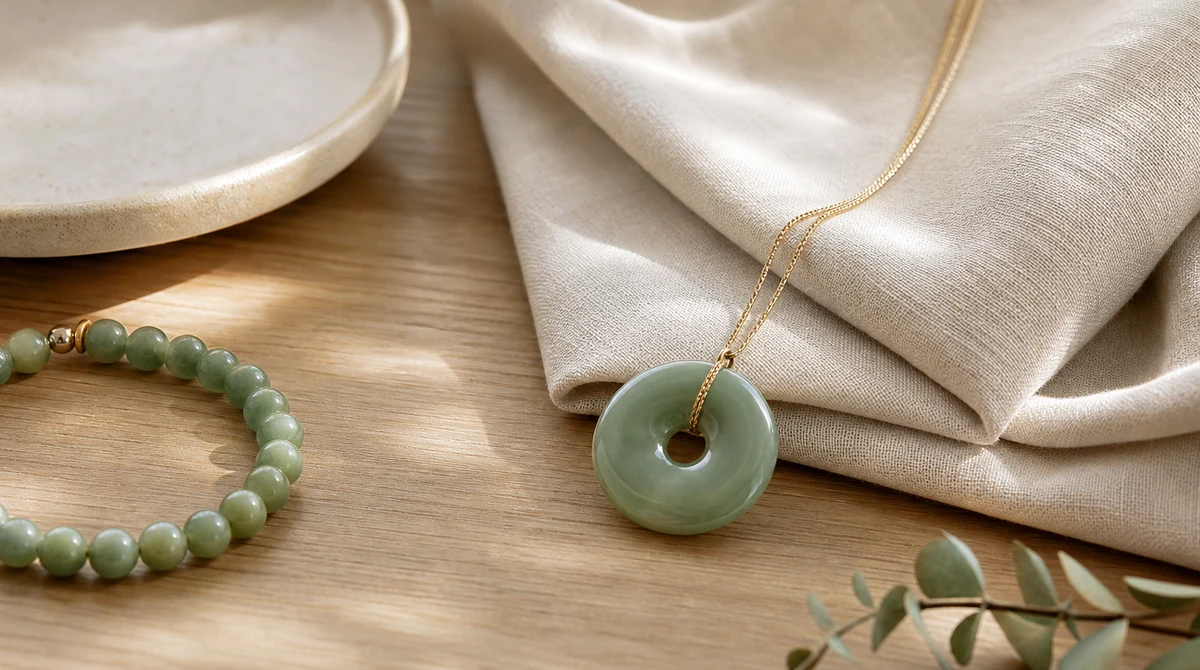
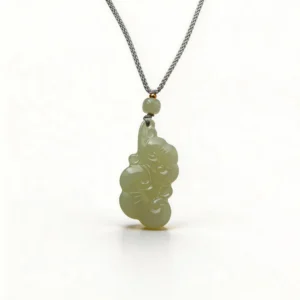
Quality jade is usually easier to appreciate when you slow down and look at the surface. Nephrite and Hetian jade often have a soft, waxy glow rather than a glassy shine. Jadeite can look brighter or more saturated, but that does not automatically make it better for every buyer. Look for even polish, clean carving edges, comfortable weight, and color that feels integrated into the stone instead of sitting on top of it. If a product page avoids basic material language, treatment notes, dimensions, or clear photos, treat that as a reason to ask more questions before checkout.
Style Notes for Daily Wear
For styling, jade works best when the outfit leaves room for texture. A pale green pendant can soften a white shirt, linen dress, or cream sweater. A deeper spinach-green bracelet can add weight to black, navy, denim, or a tailored blazer. Small carved pieces work well when you want the symbol to feel private; round beads feel more relaxed and stackable. If you are shopping for a gift, choose simpler shapes and wearable sizes unless you know the person already loves bold carved jade.
Buying Checks Before You Commit
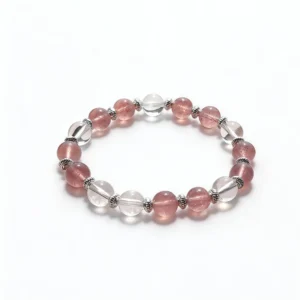
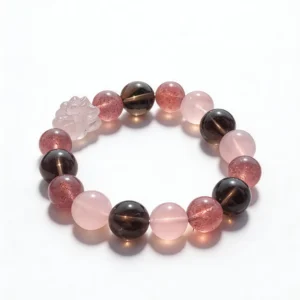
Before buying, compare the stone across multiple photos if possible. Check whether the color changes naturally under different light, whether the polish is consistent around holes and edges, and whether the seller explains the jade type in plain language. For bracelets, bead size changes the whole mood: smaller beads feel subtle and office-friendly, while larger beads look more statement and ritual-focused. For pendants, inspect the bail, cord, chain, and carving depth because the hardware affects whether the piece will actually be worn.
- Look for clear material language: Hetian jade, nephrite, jadeite, or stated jade type.
- Check polish around bead holes, pendant edges, and carved details.
- Avoid listings that lean on dramatic promises instead of stone, size, and finish.
- Choose bead size based on daily comfort, not only photos.
- Match the symbol to the wearer: renewal, steadiness, fortune, memory, or quiet style.
Care Details That Keep Jade Looking Refined
Care is straightforward but important. Keep jade away from harsh chemicals, perfume, ultrasonic cleaners, and abrasive storage. Wipe it with a soft cloth after wearing, especially if it touches lotion or sunscreen. Store it separately so metal charms and harder stones do not scratch the surface. If the piece uses elastic cord or a woven necklace cord, inspect the stringing every few months. Good care keeps the jewelry looking calm and intentional rather than tired.
Design the Jade Bracelet Before Checkout
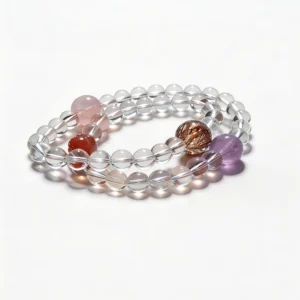
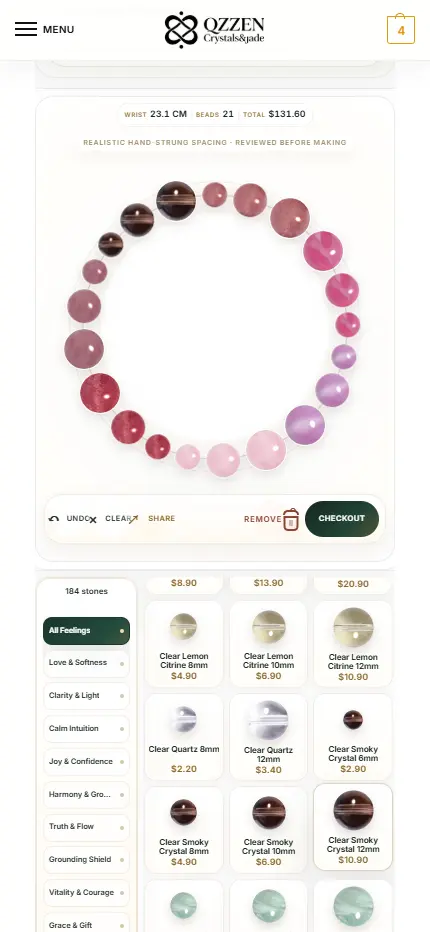
QZZEN Create is useful because jade decisions are visual. You can test bead size, color balance, and the finished bracelet layout before you order. That matters for jade because a bracelet that looks beautiful as loose beads may feel too heavy, too formal, or too crowded once it becomes a full circle. Use the builder to compare a minimal jade design against a mixed stone bracelet, then choose the version you would genuinely wear.
Final Takeaway
The best jade purchase is not the loudest one. It is the piece with enough material honesty, comfort, and personal meaning that you keep reaching for it. Whether you are comparing Hetian jade, choosing a pendant, or building a bracelet, start with the stone’s texture and the way the design will live in your routine. Then use QZZEN Create to turn that preference into a bracelet you can see before checkout.
Create With QZZEN
Design a Bracelet From the Jade Story You Just Read
Use QZZEN Create to test jade bead size, color balance, and a finished circular bracelet layout before you order. It is a simple way to turn jade meaning into a bracelet that matches your wrist, your style, and the small ritual you want to keep.
-

Balance, Best Sellers, Good Fortune & Prosperity, Hetian Jade, Jade Jewelry, Luck
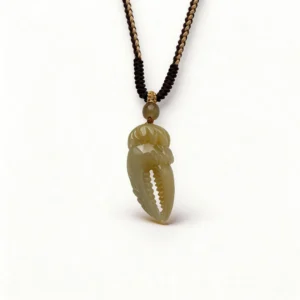
$72.99Pendant pieceJadeNatural stoneAdd to cart -
Balance, Best Sellers, Calm, Good Fortune & Prosperity, Hetian Jade, Inner Peace, Jade Jewelry, Personal Growth
$59.99Pendant pieceJadeSymbolic detailAdd to cart -
Balance, Best Sellers, Calm, Good Fortune & Prosperity, Hetian Jade, Jade Jewelry
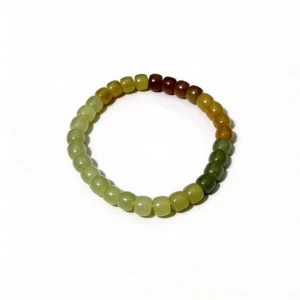
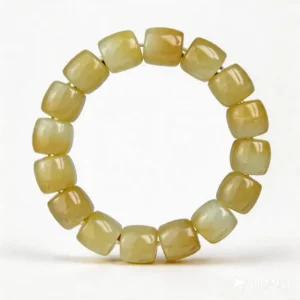
$145.99BraceletJadeNatural stoneAdd to cart -
Balance, Dream, Good Fortune & Prosperity, Hetian Jade, Inner Peace, Jade Jewelry
$102.99Pendant pieceJadeNatural stoneAdd to cart

QZZEN
Every stone carries a feeling—learn the meaning, then use QZZEN Create to design a jade bracelet that feels personal before checkout.