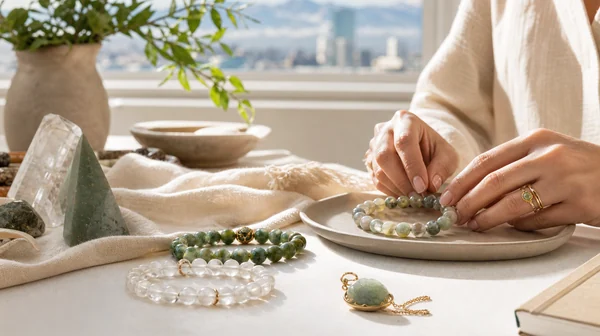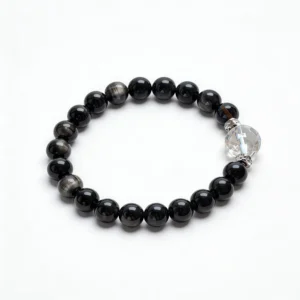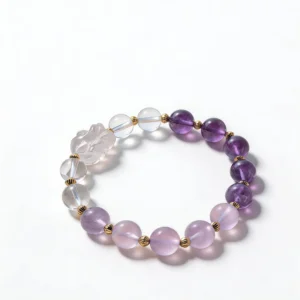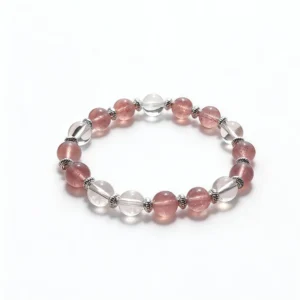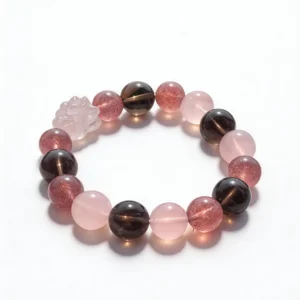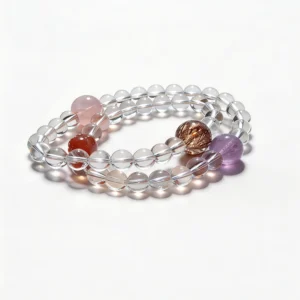

A crystal jewelry trend list is useful only when it explains what “trending” means. Search interest, social mentions, retailer sales, editorial picks, and available inventory measure different things. Before following a list, check its date range, source, category definitions, commercial relationships, and whether the recommendation fits the wearer.
Ask what the list actually measured
A ranking should identify its evidence. Search activity shows attention, not purchases. Sales data reflects one retailer or market unless stated otherwise. Social engagement can be influenced by paid promotion and platform demographics. An editor’s selection is a point of view, not a population-level trend.
Check the publication and measurement dates
A July list may describe June searches, a seasonal buying period, or products selected weeks earlier. Look for both publication date and data window. Avoid language such as “the year’s biggest trend” when the evidence covers only a short period or one channel.
Define each material and product category
Labels such as crystal, jade, quartz, gemstone, spiritual jewelry, and natural stone can overlap or be used inconsistently. GIA’s gem encyclopedia provides reference definitions for recognized gem materials. A trend article should distinguish material names from colors, styles, motifs, and marketing categories.
Test a specific example
GIA’s amethyst overview identifies amethyst as purple quartz. A list that treats “lavender crystal,” amethyst, purple quartz, and violet jewelry as four independent trends may be counting overlapping labels. Clear definitions reduce that inflation.
Identify commercial relationships
Check whether products are owned, stocked, sponsored, gifted, or linked through an affiliate arrangement. A retailer may fairly discuss its own demand, but it should not imply that internal sales represent the whole market. Product availability can shape a list as much as audience interest.
Separate popularity from suitability
A widely discussed bracelet may still be too large, noisy, fragile, difficult to maintain, or incompatible with the wearer’s routine. Compare dimensions, construction, materials, care, budget, and expected use. Trend status does not establish quality, authenticity, treatment, origin, durability, or value.
Compare current listings carefully
Use the Shop to compare actual formats and prices rather than relying on a collage. Check whether featured items remain available and whether photographs show exact or representative inventory. QZZEN’s Authenticity Promise provides a route for item-specific material and documentation questions.
Use a transparent trend-note format
- State the publication date and measured period.
- Name the source and geographic scope.
- Define material, style, and product categories.
- Disclose retailer, sponsor, gift, or affiliate relationships.
- Separate observed popularity from editorial opinion.
- Link each recommendation to current specifications and availability.
Plan transactions independently of hype
Review shipping information for time-sensitive purchases and the returns policy before alteration. A temporary trend should not override fit, evidence, care, or return eligibility.
Bottom line
A trustworthy crystal jewelry trend list shows how it reached its conclusions and where the evidence stops. Use it for discovery, then make the purchase decision from item-level material information, construction, fit, care, price, and realistic repeat use.