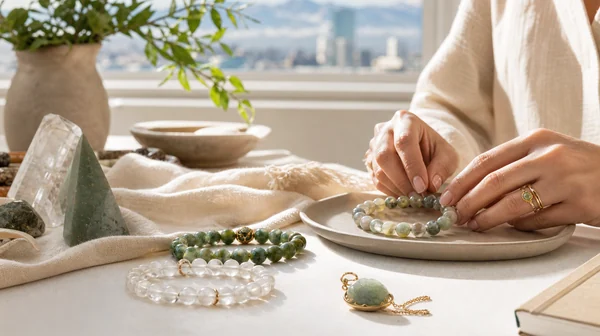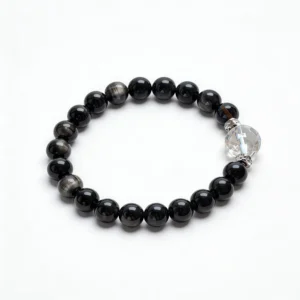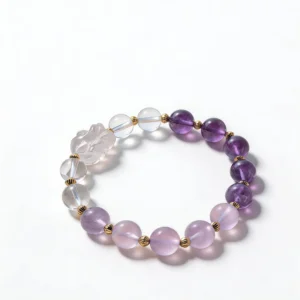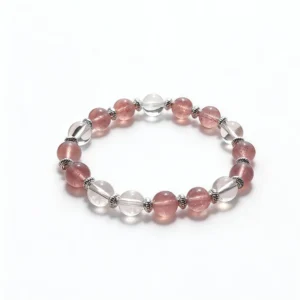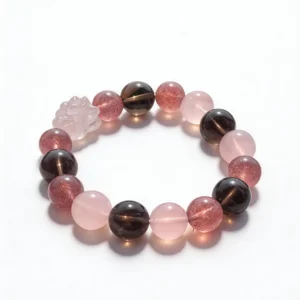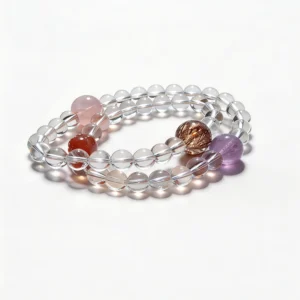


An agate bracelet is worth buying when its banding or color is genuinely appealing, the material description is clear, the beadwork is sound, and the size supports regular wear. The word agate alone does not prove natural color, geographic origin, rarity, quality, or future value, so judge the actual bracelet rather than the category name.
Start with the reason for buying agate
Decide whether the attraction is visible pattern, a red or neutral palette, a particular bead size, or a gift connection. Personal symbolism can matter, but it should not be presented as medical treatment or as a guarantee of calm, protection, luck, relationships, or financial results.
Understand the material name
The GIA gem encyclopedia is a useful starting point for comparing recognized gem-material categories. Gemdat’s agate reference describes agate as a variety of chalcedony and illustrates why pattern and appearance can vary. Neither reference can authenticate a bracelet from a photograph.
Ask what is known about color and treatment
Agate may be sold in natural-looking, enhanced, or strongly dyed colors. Review the listing for treatment disclosure and ask whether the photos show the exact piece or representative inventory. QZZEN’s Authenticity Promise provides a route for item-specific material questions.
Inspect the beads, not just the color
Look for useful close-ups of polish, surface pits, chips, drill holes, roundness, matching, spacers, knots, elastic, cord, and hardware. Natural variation can be attractive, but it does not excuse sharp edges, damaged holes, loose construction, or inconsistent finishing.
Compare a real example carefully
The red agate bracelet listing provides an item-level example for checking dimensions, components, photographs, and current availability. Treat names such as jade, South Red Agate, or Nanhong as claims that require clear seller disclosure rather than conclusions drawn only from color.
Confirm scale and wrist fit
Measure the wrist where the bracelet will sit and use Size Help. Small beads usually create a quieter profile, while larger beads reduce interior space and may contact a desk, watch, or cuff. Check whether the listed length includes the practical effect of bead diameter.
Calculate value through use
Compare the total price with construction, disclosed materials, finish, fit, and likely wears. A lower-cost bracelet that stays in a drawer is not automatically better value, and a higher price is not proof of origin, natural color, grade, or scarcity.
Use conservative care
Remove the bracelet before swimming, cleaning, exercise, or applying lotions and fragrance. Wipe it with a soft damp cloth, dry it fully, and store it separately. Mixed-material construction may be less tolerant of water, heat, chemicals, or impact than the beads themselves.
Inspect before altering
On arrival, compare color, pattern, bead diameter, finish, assembly, and included components with the listing. Review the returns policy before resizing, restringing, or extended wear.
Bottom line
An agate bracelet is worth buying when the specific pattern and color hold up in realistic light, the seller clearly describes the material, the construction and fit support repeat wear, and the total cost makes sense without relying on unsupported promises.