
Introduction
Crystals captivate collectors with their sparkling clarity, but the market is flooded with both natural and lab‑created stones. Knowing how to quickly identify authentic natural crystals is essential for enthusiasts and buyers.
Industry Trends
Google Trends shows a 45% rise in searches for “natural crystal identification” over the past year, indicating growing consumer interest in reliable guides.
Identification Methods
- Surface texture: Natural crystals often display tiny fissures or air bubbles; lab‑created stones appear uniformly flawless.
- Weight: For the same size, natural crystals are slightly denser and feel heavier in hand.
- Refractive index: Using a refractometer, natural quartz registers between 1.544‑1.553.
- UV reaction: Under UV light, many natural crystals emit a faint glow.
- Sound: A gentle tap on a natural crystal produces a clear, resonant tone.
- Price: Prices far below market average are a strong indicator of imitation.
Practical Tips
When shopping, inspect the stone with a loupe, weigh it on a precision scale, or use a handheld refractometer for quick assessment.
Case Study
In 2024 we examined two “natural” crystal specimens for a client. One passed all tests, while the other was identified as a lab‑grown replica, despite a near‑identical appearance.
Call to Action
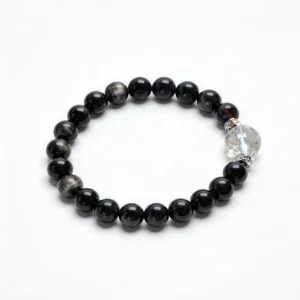
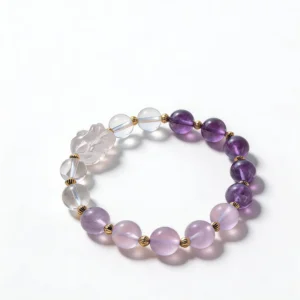
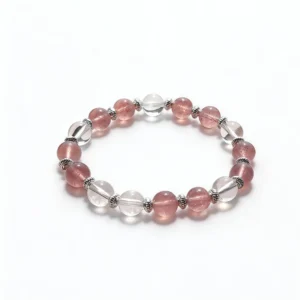
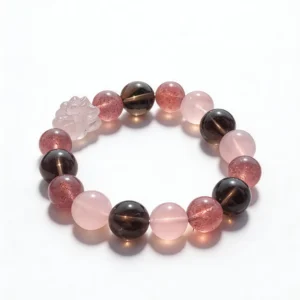
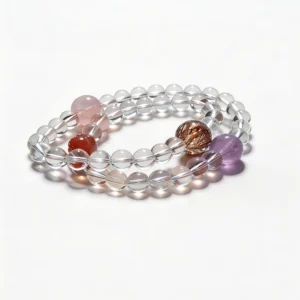
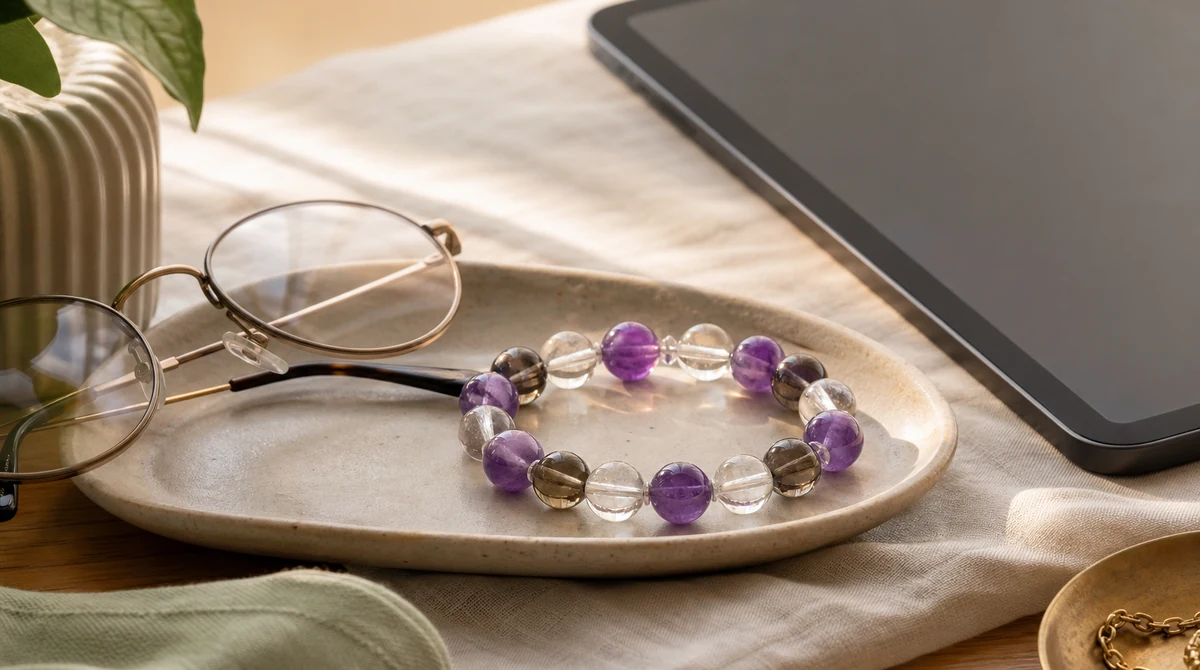
Ready to add authentic natural crystals to your collection? Browse our top‑selling items below.
Create With QZZEN
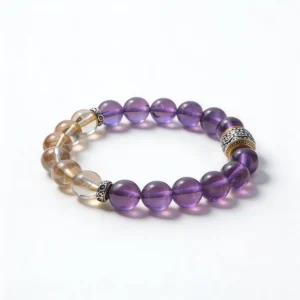
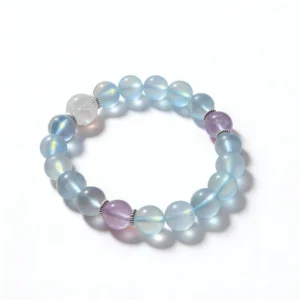
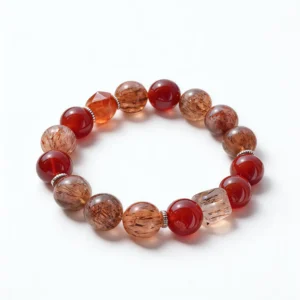
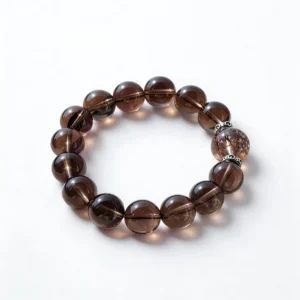
Design a Bracelet From the Stones You Just Learned About
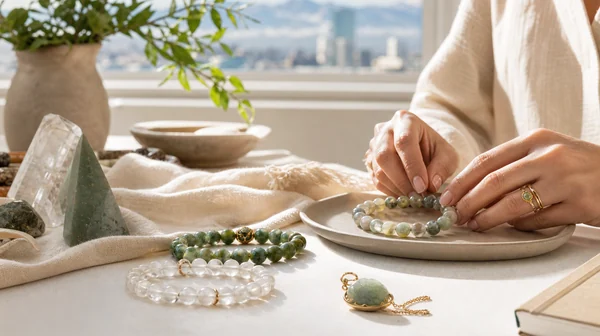
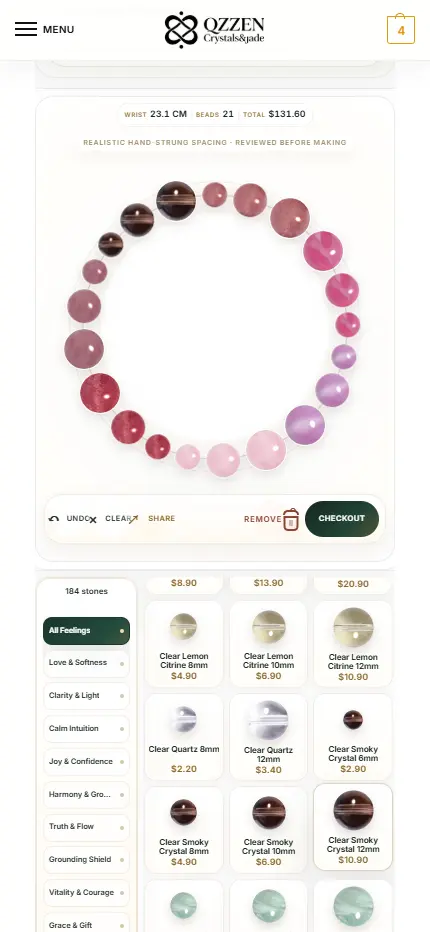
Use QZZEN Create to test bead size, stone combinations, and a finished circular bracelet layout before you order. It is a simple way to turn what you learned in this guide into a bracelet that matches your wrist, your style, and the small ritual you want to keep.

QZZEN
Every stone carries a feeling—learn the meaning, then use QZZEN Create to design a bracelet that feels personal before checkout.